| Weight | 70 g |
|---|---|
| Dimensions | 85 mm |
| Focal Length (mm) | |
| Max Aperture (f) | |
| Aperture Blades | |
| Elements | |
| Serial Numbers | |
| Production |
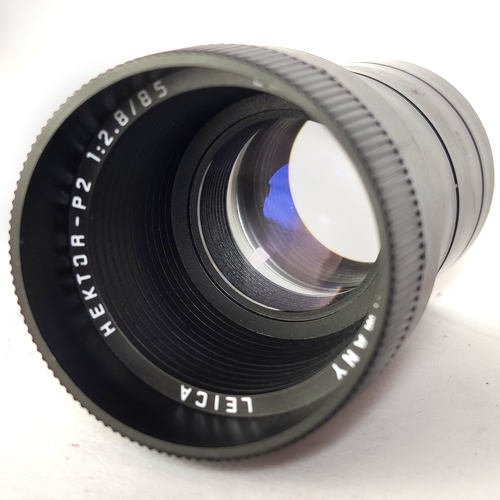
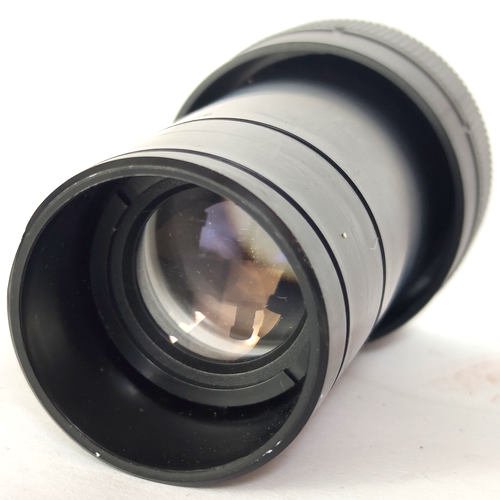

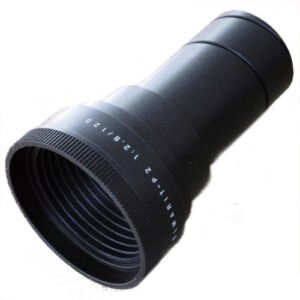
Leica Hektor-P2 85/2.8
Entry-level black polycarbonate-barrel lens for Pradovit series (commonly P150). Awarded 3/5 for image quality by Chasseur d’Images magazine. [Cat 37 511].
Reviews
Related to . . .
Related products
-

AG Optical Trionar 152/3.5
Compare -
Aldis Anastigmat 85/2.5 [V1]
Compare -
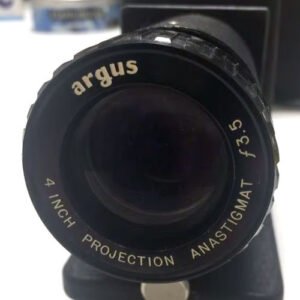
Argus Projection 100/3.5
Compare -
Aldis Tele-Projection 250/3.5
Compare -
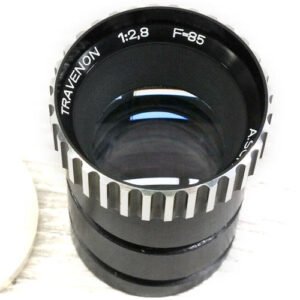
A. Schacht Travenon 85/2.8
Compare -
Bell & Howell Trionar 127/4
Compare -
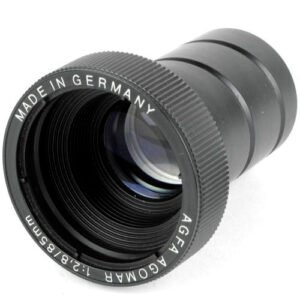
Agfa Agomar 85/2.8 [V4]
Compare -
Agfa Color-Agolar 85/2.8
Compare -
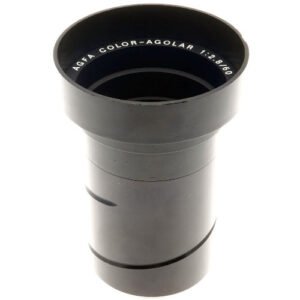
Agfa Color-Agolar 60/2.8
Compare -
Benoist Berthiot 110/2.4
Compare -
Agfa Color-Agolar 250/4.5
Compare -
Arsenal Triar-3 85/2.8
Compare -
Agfa Agomar 60/2.8
Compare -
Benoist Berthiot 90/2.8
Compare -
Agfa Agolar 85/2.5
Compare -
Benoist Berthiot 60/1.6
Compare -
Benoist Berthiot 75/2.8
Compare -
Apollo 90/2.8
Compare -
Agfa Variomar 80-125/3.1
Compare -
Agfa Agomar 90/2.8
Compare -
Argus Projection Anastigmat 100/3.3
Compare -
Bell & Howell Trionar 100/3.5
Compare -
Apollo 85-150/3.5
Compare -
Agfa Agomar 70-120/2.8
Compare -
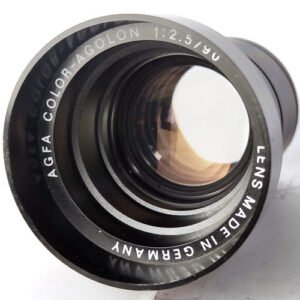
Agfa Color-Agolon 90/2.5
Compare
16:9 –
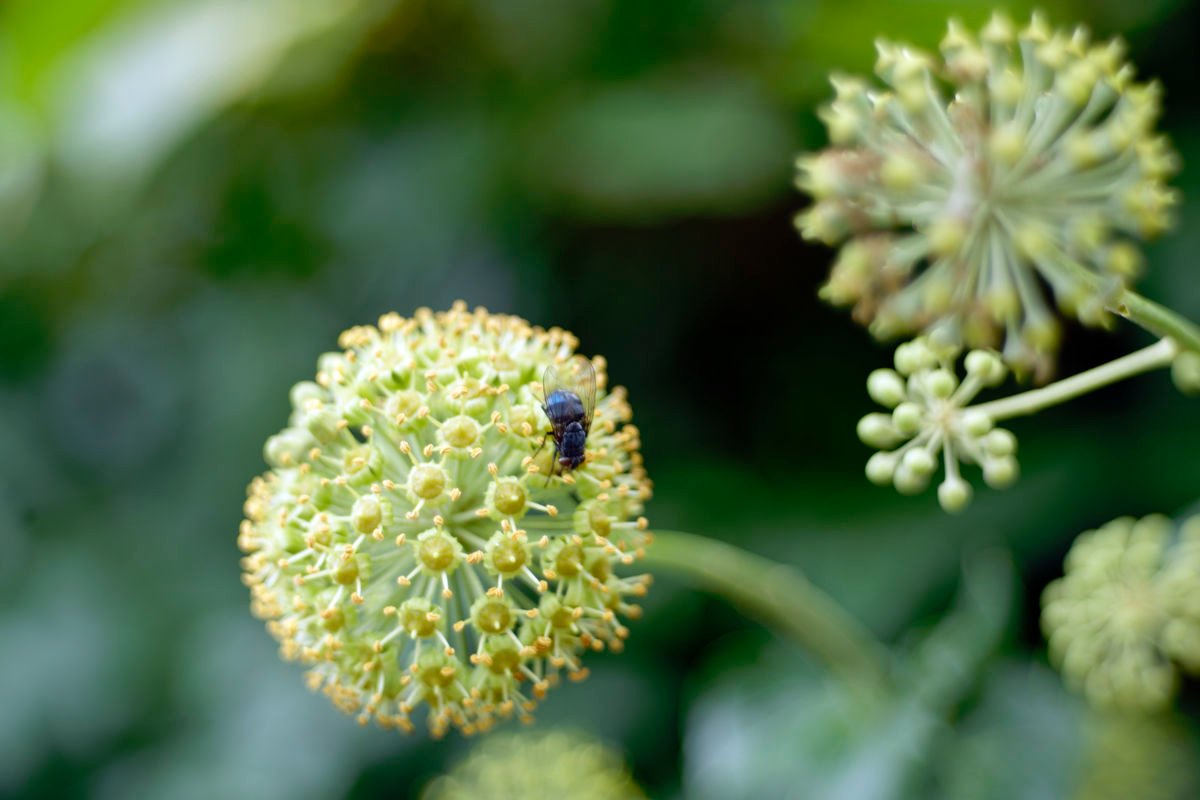
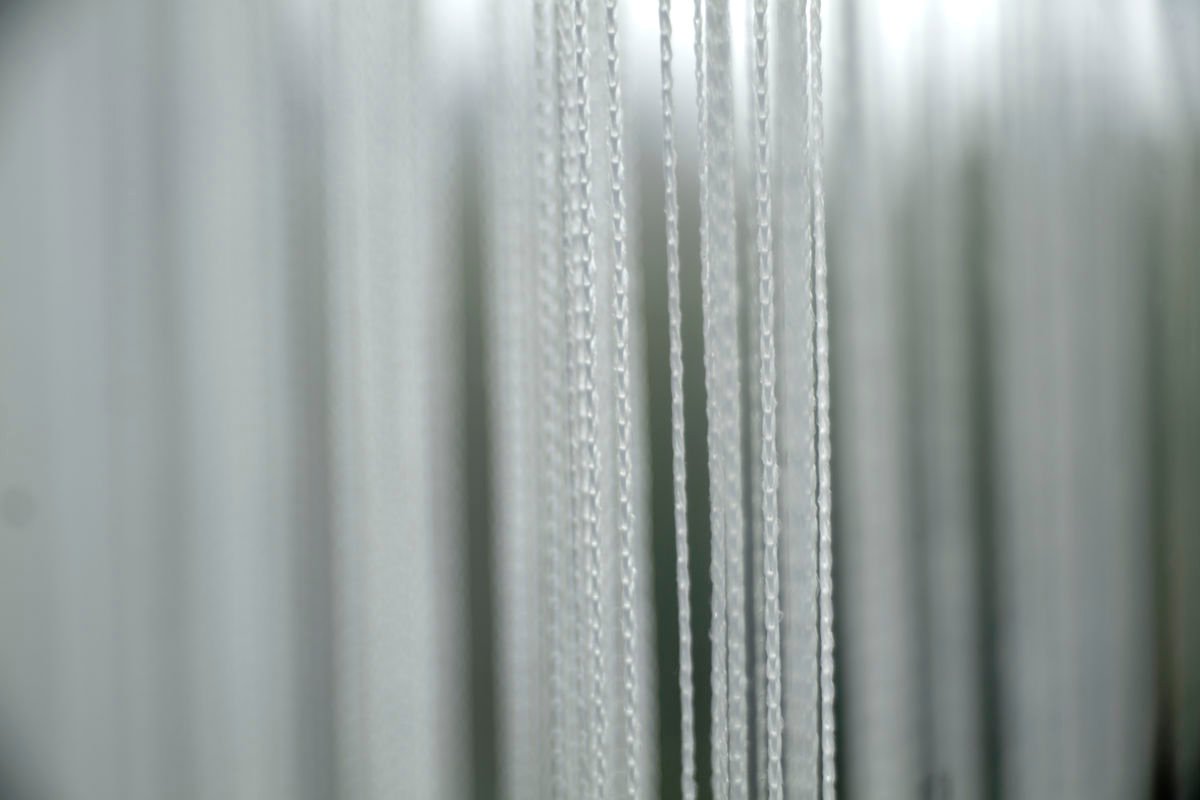
A fundamentally sound, entry-level slide projector optics with pleasant characteristics when used as a taking lens. Unlike earlier (and faster) Hektor’s the final plastic P2 was a three-element lens produced in the Zett factory and generates textbook bubble bokeh. It’s interesting to note how far the classic Cooke design can be stretched with the benefit of lower aberration glass and computer-aided formulation. One of the most recent triplet releases (in 1990), Leica was able to extract performance from the Hektor-P2 similar (in some respects superior) to the four-element Hektors of old. There was – and is – still quite a step up to any of the five- or six-element Colorplans, but this is a well behaved and ubiquitous projector lens easily recommended as a first toe in the water for would-be alt-lens explorers.