| Weight | 1010 g |
|---|---|
| Dimensions | 102 mm |
| Focal Length (mm) | |
| Image Circle (mm) | |
| Max Aperture (f) | |
| Aperture Blades | |
| Rear Mount | |
| Front Thread | |
| Flange-Focal Distance (mm @ ∞) | |
| RF/L Extension (mm) | |
| Serial Numbers |






Kershaw Series K 114/1.9
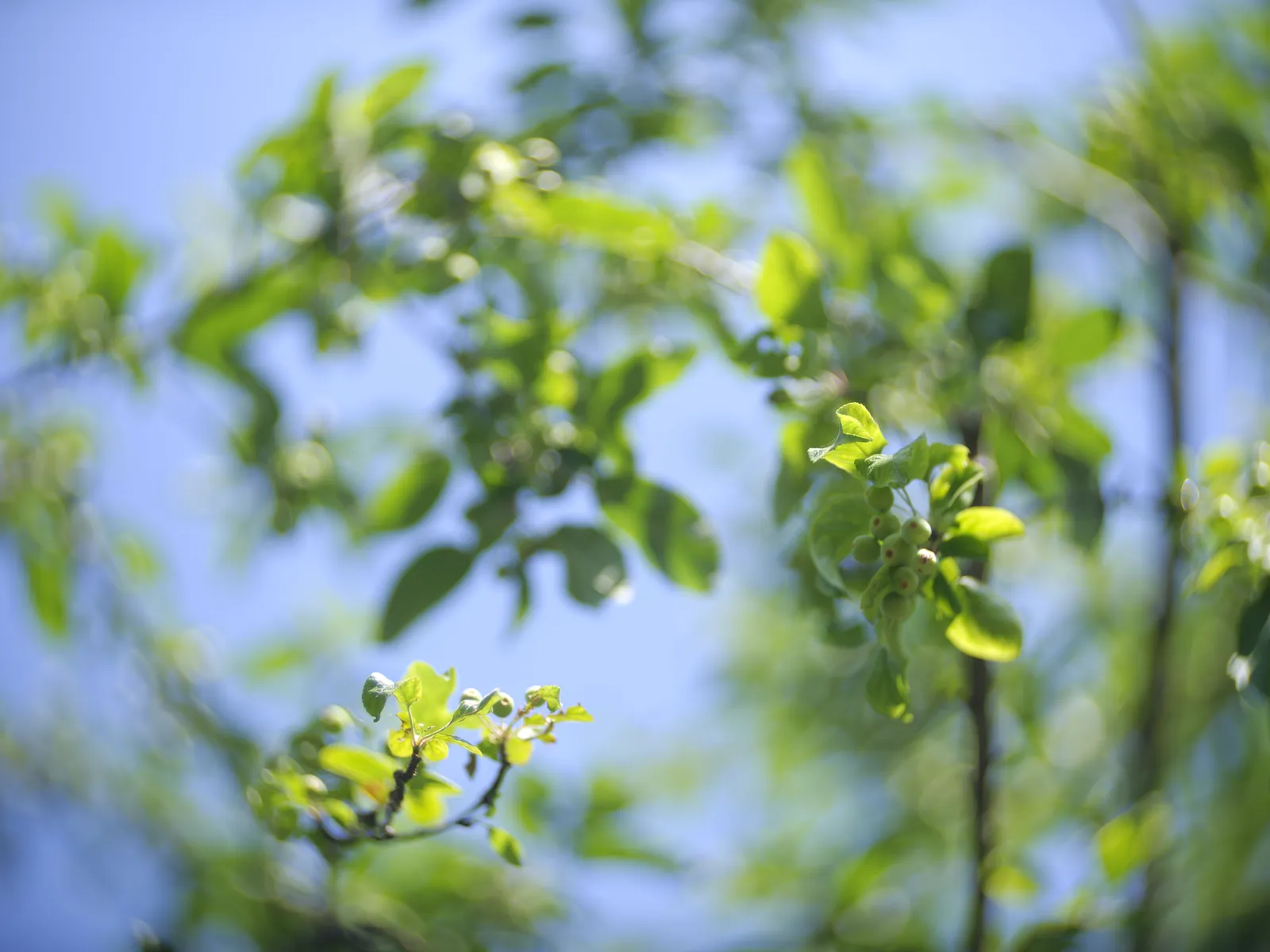
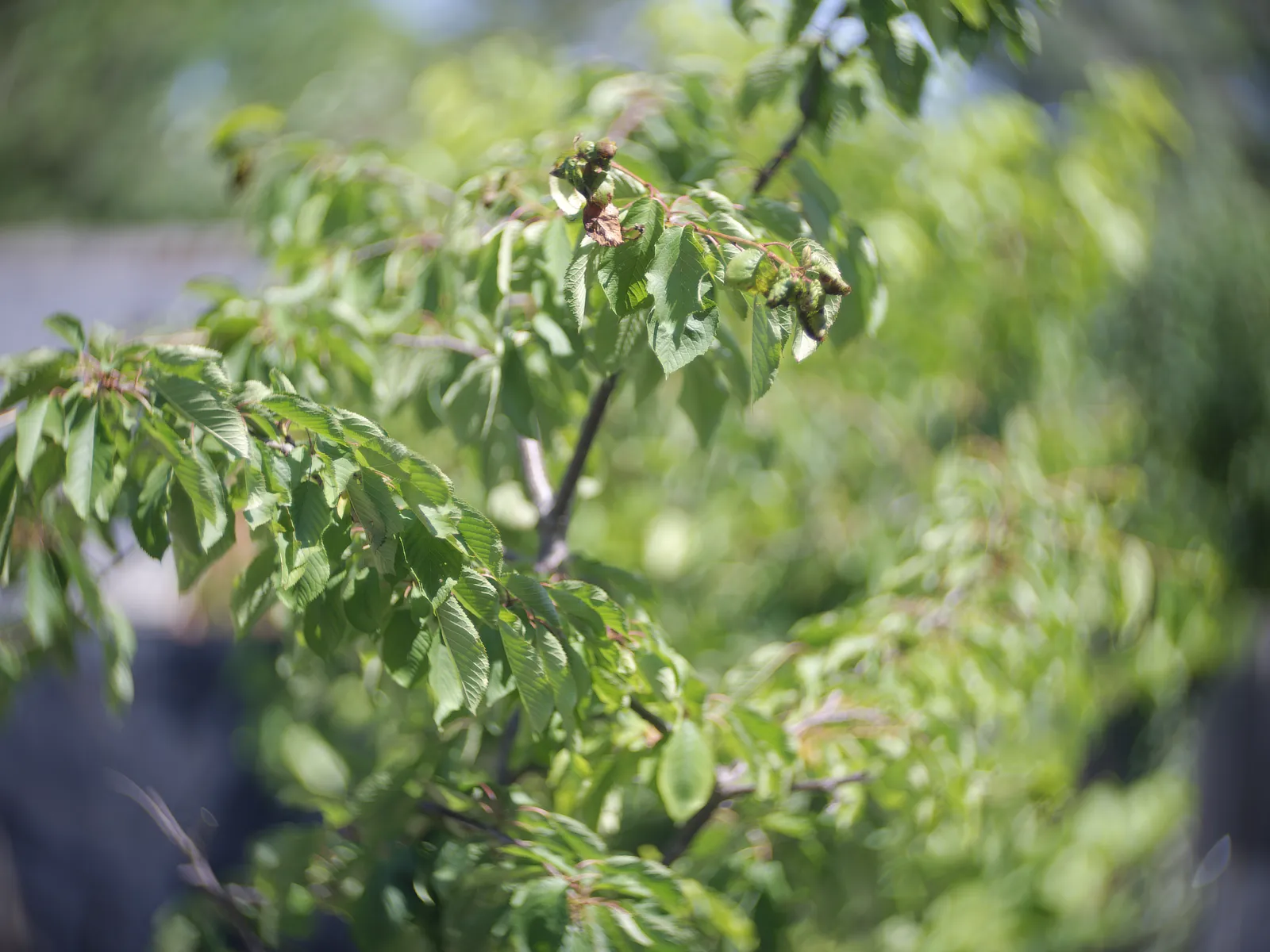
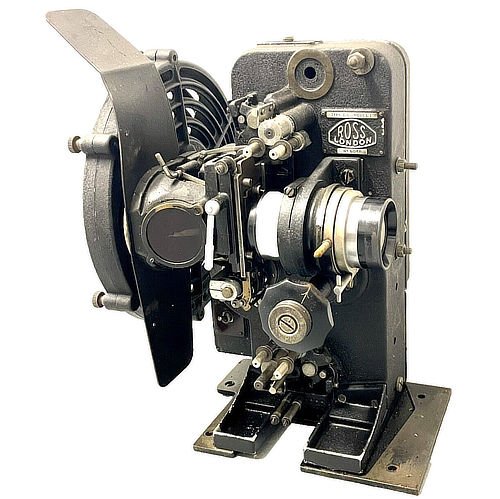
Silver body English projector lens marked 4½” Bloomed Projection Lens, fitted to Ross Type GC Model 1. Made by Kershaw of Leeds. Example images shot on GFX.
Reviews
Related to . . .
Related products
-

A. Darlot (Paris) 160/3.5
Compare -
Bausch & Lomb Super Baltar 20/2
Compare -
Astro-Berlin Pan-Tachar 75/2.3
Compare -
Bausch & Lomb Super Baltar 35/2
Compare -
Bausch & Lomb Super Cinephor 152/1.8
Compare -
Bausch & Lomb Super Baltar 152/2.3
Compare -
Bausch & Lomb Baltar 75/2.3
Compare -
Bausch & Lomb Super Cinephor 75/2
Compare -

Bell & Howell Procomat 127/3.5
Compare -
Astro-Berlin Pan-Tachar 125/2.3
Compare -
Bausch & Lomb Baltar 35/2.3
Compare -
Bausch & Lomb Cinephor 75/2
Compare -
A. Schacht Travenon 17/1.4
Compare -
Astro-Berlin Pan-Tachar 50/1.8
Compare -
Bausch & Lomb Baltar 30/2.3
Compare -
Bausch & Lomb Super Baltar 75/2
Compare -
Bausch & Lomb Super Cinephor 133/2
Compare -
Angenieux Type 65 156-164/3.5
Compare -
Bausch & Lomb Super Baltar 100/2
Compare -
Bausch & Lomb Baltar 50/2.3
Compare -
Bausch & Lomb Baltar 18/2.3
Compare -
Bausch & Lomb Super Baltar 25/2
Compare -
Astro-Berlin Pan-Tachar 75/1.8
Compare -

Angenieux 100/3.5 [Cine]
Compare -
Bausch & Lomb Super Cinephor 108/1.8
Compare
16:9 –
The earliest coated Kershaw lens were marked ‘Bloomed’, referring to the deposition method used. K-Series ‘Kalee’ lenses were available in quarter-inch increments in the most common focal lengths. The optical formula comprises two cemented doublets.
On a GFX sensor (pictured above), strong Petzval swirl is evident and resolution characteristics were similarly textbook: Zones C-D are extremely soft and radially blurred by axial aberration. Chromatic aberration is typically well corrected. The combination of 114mm and f1.9 gives very useful subject separation – an effect hugely compounded for centrally-framed subjects by the presence of large aberrations in the outer field. Again, with a centrally-framed subject, this mimics the effect of a lens at least one stop faster – but if the focal plane lives entirely in Zone C-D, the entire image will be blurred. However, Zone A and some of Zone B is absolutely serviceable in terms of useable resolution – particularly when adapted to GFX when images are likely to be downsampled for final use, making pixel-level sharpness less of a problem.
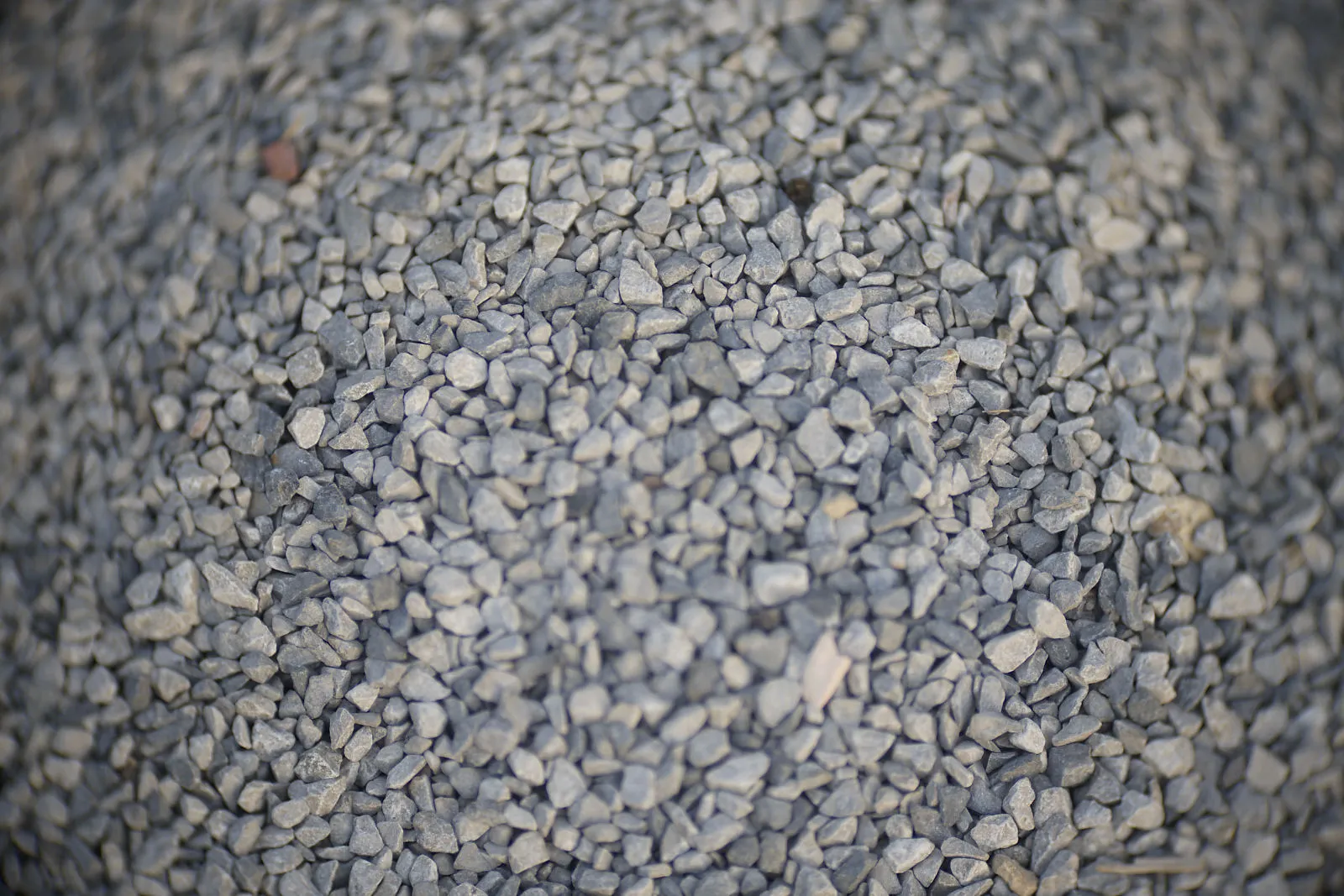
Used on a 35mm sensor, the graceful tonality remains, but outer-frame aberrations – the dominant aspect of this lens’ ‘character’ – are greatly reduced. The two shots of gravel (captured with a 35mm sensor rather than GFX) illustrate wild field curvature with the potential to rewrite every composition. If a more subtle take on swirly bokeh or a vintage vibe is required, this focal length may suit you, but if you want the full Petzval effect, you’ll need to choose a shorter focal length, and that introduces adaptation issues: on GFX, a 12-17mm helical is required to achieve infinity focus. The most common short helical for 65mm is 17-31mm, which doesn’t permit focus beyond 6.5m. Your focal-flange distance may vary.